Two Minutes to Transform Your Standups

Today we dive into two-minute active listening exercises for daily standups, offering fast, respectful practices that sharpen focus without stretching the schedule. In just a couple of minutes, your team can reduce miscommunication, surface risks earlier, and leave with shared understanding. Expect practical prompts, step-by-step flows, and real anecdotes that help even the busiest teams listen better, decide faster, and feel more connected. Share your results, tweak the routines, and keep the learning loop alive.

Why Two Minutes Matter in Busy Standups

Short meetings often drift because the group hears words but misses intent. Two-minute listening bursts redirect attention toward clarity, not commentary. They shrink invisible costs: repeated questions, unclear owners, and missed blockers. These micro-practices respect your Sprint cadence, protect autonomy, and create psychological safety by proving that every voice receives care. Try them for a week, gather reactions, measure missed follow-ups, and notice how small rituals compound. Invite volunteers to rotate facilitation, nurturing ownership and sustained momentum.
After each update, a teammate repeats the key point in ten seconds: objective, risk, and support request. This proves understanding before advice appears. It beats assumptions, prevents derailment, and signals care. Keep it brief, compassionate, and literal. Encourage the speaker to confirm, correct, or add one crisp detail. Rotate the echo role daily, building shared accountability. Over time, you will hear tighter updates, fewer clarifying pings later, and more confident commitments.
Insert a five-second silence after a complex update. The small stillness invites genuine processing, not interruption. People jot one clarifying question or restate the outcome they heard. The pause lowers social pressure, allowing quieter teammates to engage without competing volume. Facilitate by counting silently, then invite one precise question. Maintain a limit to keep momentum. Psychological safety grows when contemplation is normalized, and noise no longer masquerades as contribution.
At the end of the standup, a volunteer delivers a single-breath recap covering today’s priorities, the riskiest dependency, and the first follow-up. The brevity forces clarity, separating signal from chatter. It also highlights what information still feels fuzzy. If the breath runs long, that’s useful data: the plan is complicated. Keep tone friendly, never performative. Over time, teams internalize concise framing and carry it into code reviews, refinement discussions, and stakeholder syncs.

A Micro-Toolkit You Can Use Tomorrow

Start with lightweight, repeatable drills that fit any cadence. Each tool finishes under two minutes, encourages shared understanding, and protects the standup’s purpose: synchronization, not status theater. Rotate tools to avoid routine fatigue, and collect tiny signals—fewer Slack follow-ups, shorter confusion threads, steadier handoffs. Encourage feedback in retrospectives, then refine wording and timeboxes. The goal is clarity without friction, kindness without delay, and decisions with visible owners and explicit next steps.

Round-Robin Mirroring

Pick one update. Three teammates, in sequence, mirror what they heard using different lenses: outcome, risk, and ask. Each mirror gets fifteen seconds, tops. The speaker confirms or edits. In less than two minutes, context becomes resilient to misunderstanding. This is not debate; it is alignment. Use a timer, celebrate precision, and keep voices balanced. You will discover implicit dependencies and unblock silent assumptions that often explode later in the day.

Clarifying Question Burst

After a dense update, allow exactly two clarifying questions, not suggestions. Prompts must start with what or how, never why, to minimize defensiveness. The speaker answers in one sentence each. Constraint creates focus, discouraging advice masquerading as inquiry. This tiny burst shows respect for everyone’s time while still catching the crucial missing detail. Track whether action items decrease post-standup rework. Iterate wording to maintain warmth, curiosity, and velocity together.

Emoji Check-In with Evidence

Everyone posts one emoji reflecting confidence about today’s plan, then adds a single sentence of evidence. The evidence matters more than the face: it teaches reasoning in public. Patterns reveal risks: a string of neutral faces might signal hidden uncertainty. Keep it playful yet purposeful. If sentiment dips, ask for one concrete support request. Combine with the one-breath summary to steer the hardest blocker first. Over time, emotional data becomes practical guidance.

Remote and Hybrid Adaptations

Distributed teams can practice deep listening without video fatigue or chaotic cross-talk. Replace overlapping audio with orderly rituals that travel well across time zones. Use chat for mirrors, reactions for confidence checks, and short timers to maintain pace. Document brief outcomes where the conversation happens, unlocking transparency for absent teammates. Favor simple tools over clever ones. A predictable rhythm reduces cognitive load, empowers asynchronous contributions, and creates a welcoming space where bandwidth, accents, and schedules do not stunt participation.

Camera-Off Friendly Variations

Allow cameras off by default for energy management, then structure turn-taking explicitly. Use name-order prompts, short hand-raise, and written mirrors. Visual bandwidth returns to content, not appearances. Encourage concise updates supported by links and artifacts. Offer one optional camera-on day for relational warmth. Measure outcomes, not performative presence. People will speak more thoughtfully when they are not juggling lighting and self-view. Listening improves because the stage lights finally dim, making ideas shine instead.

Chat-First Listening

Move the echo and summary into chat. The speaker posts a two-sentence update; one teammate mirrors with outcomes and risks; another writes the ask. The thread holds the mini-archive, preventing repeated questions later. Reactions capture confidence quickly, revealing where follow-up is required. This approach supports shaky internet connections and enables asynchronous clarity. Encourage brevity and direct links to tasks, reducing friction. Over time, the chat history becomes a searchable map of decisions and agreements.

Latency-Proof Turn Taking

Network delays cause accidental interruptions. Solve this with a visual queue: facilitator posts the order upfront. Each person types “ready” before speaking, ensuring turn integrity despite lag. If overlap happens, the queue decides politely. Add a shared timer visible to all. Combine with the intentional pause to keep space equitable. By separating order from dominance, teams hear what matters, not just who speaks loudest. Confidence grows as predictability replaces awkward collisions.

Facilitator Playbook for Scrum Masters

Facilitation transforms listening from a hope into a habit. Set norms, calibrate timeboxes, and model the behavior you want to see. Zero shaming, zero theatrics, full attention. Announce the drill, run it crisply, and debrief with one reflective question. Audit your language, removing leading prompts and premature solutions. Invite rotating co-facilitators for shared stewardship. Keep momentum gentle yet firm. The payoff appears in fewer escalations, tighter collaboration, and a standup everyone genuinely values.

Signals and Metrics That Respect Humans

Thirty-Day Baseline and Trend

Run two minutes of listening drills for thirty days. Capture three numbers weekly: average follow-up pings, count of unclear owners, and delayed decisions. Pair the numbers with one sentiment pulse. Look for gentle downward trends in friction, not instant miracles. Share the chart briefly in retros, celebrate small moves, and keep curiosity alive. A calm, patient lens avoids the anxiety spiral that ruins experiments before benefits can compound.

Qualitative Heatmap from Retros

Run two minutes of listening drills for thirty days. Capture three numbers weekly: average follow-up pings, count of unclear owners, and delayed decisions. Pair the numbers with one sentiment pulse. Look for gentle downward trends in friction, not instant miracles. Share the chart briefly in retros, celebrate small moves, and keep curiosity alive. A calm, patient lens avoids the anxiety spiral that ruins experiments before benefits can compound.

Meeting Debt and Decision Throughput

Run two minutes of listening drills for thirty days. Capture three numbers weekly: average follow-up pings, count of unclear owners, and delayed decisions. Pair the numbers with one sentiment pulse. Look for gentle downward trends in friction, not instant miracles. Share the chart briefly in retros, celebrate small moves, and keep curiosity alive. A calm, patient lens avoids the anxiety spiral that ruins experiments before benefits can compound.

Pitfalls, Myths, and Gentle Repairs
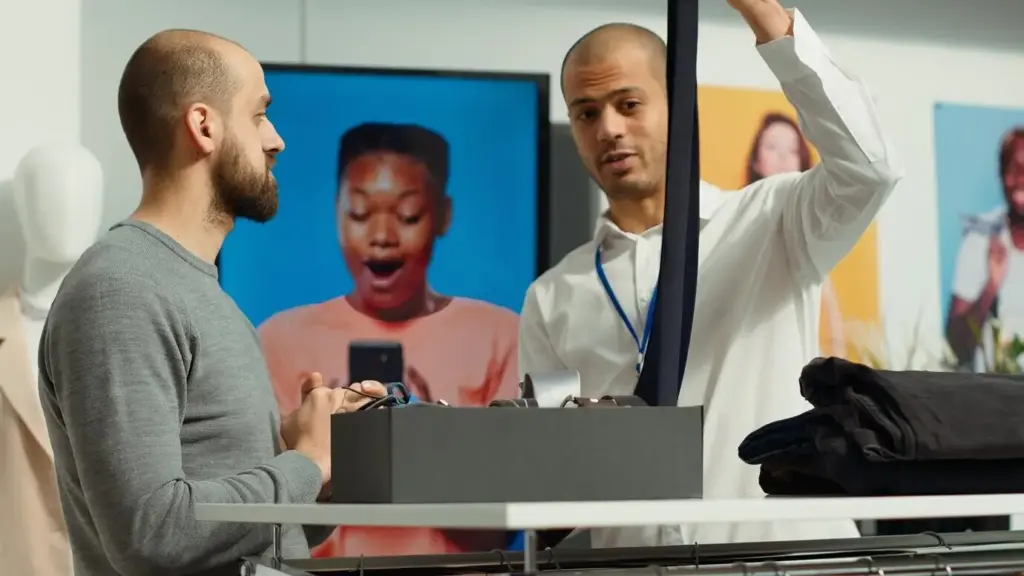
Two-minute drills are not gimmicks, and silence is not dead air. Common mistakes include treating listening as compliance, timing harshly, or turning mirrors into debates. Repair by resetting norms, emphasizing care, and validating effort. Keep exercises optional but encouraged, explaining their why. Rotate techniques to avoid fatigue. Invite feedback publicly and privately. The point is shared understanding, not performance. When missteps happen, learn openly together and resume with kindness and renewed clarity.

Speed Versus Rush

Speed means focused clarity; rush means careless pressure. If your standup feels breathless, the exercises are being forced, not followed. Restore balance by trimming talking points and reaffirming purpose: synchronize, surface risks, assign owners. Keep voices steady and pauses real. A calm two minutes creates time elsewhere. Remind everyone that listening efficiency emerges from trust, not adrenaline. Slow down to aim; timing comes naturally once alignment returns and anxiety abates.

Silence Isn’t Failure

A silent five-second pause may feel awkward, yet it often reveals the missing piece. If nobody speaks, ask for one written question in chat. Different channels lift different voices. Avoid rescuing the moment with your own commentary. Let the structure do the work. Over time, teammates learn to enter with intent, not noise. Silence becomes a shared tool for attention, reflection, and gentler, smarter decisions under real-world delivery pressure.
Fazunulazonile
Privacy Overview

This website uses cookies so that we can provide you with the best user experience possible. Cookie information is stored in your browser and performs functions such as recognising you when you return to our website and helping our team to understand which sections of the website you find most interesting and useful.